Supporting Children to Channel the Power of Anger Wisely
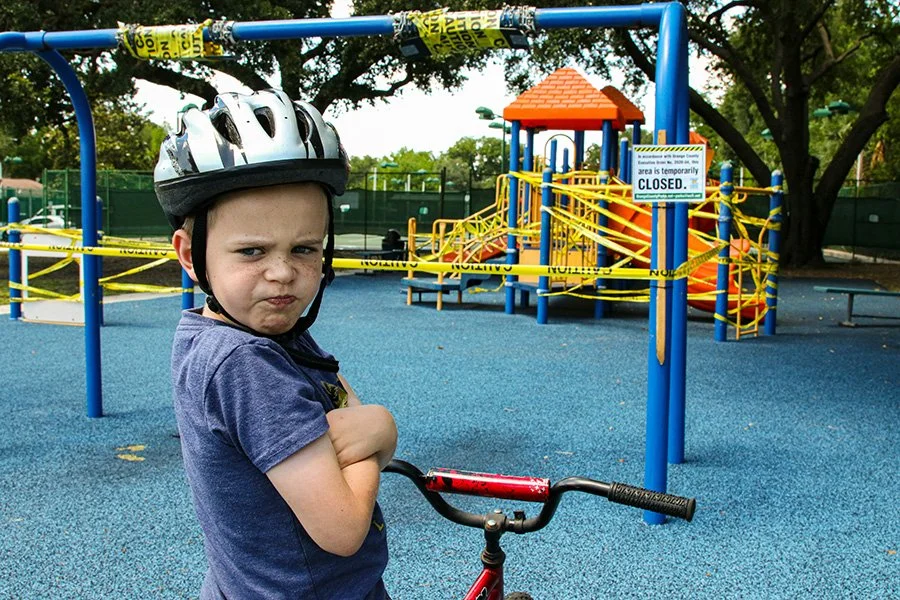
Photo by Mick Haupt
Writing this March for Greater Good Magazine, Jamie Lynn Tatera talks about how, with some help and awareness, children can channel anger into clarity, caring and action.
The author has developed Kristin Neff’s Mindful Self-Compassion Course into Mindfulness and Self-Compassion for Children and Caregivers, a course for parents and children which includes kid-friendly messages and practices centring on anger. She has written a two volume Mindfulness and Self-Compassion Workbooks for Kids to accompany the course. She has also now begun teaching Neff’s Fierce Self-Compassion Program, which helps people transform emotions like anger into courage, strength, and protection, teaching how “not only to comfort ourselves when we suffer, but also to stand up for ourselves and others in the face of harm and injustice.”
Tatera offers five steps to helps children (and adults) channel the power of anger wisely.
1. Help kids understand that anger is human.
Chronic suppression of anger can lead to negative outcomes and can turn inward as self-blame or sadness.
Anger is neither good nor bad; it’s hard wired into being a human being. Accepting that is part of self-compassion and can help with emotional regulation.
2. Notice how anger feels in the body.
To respond to anger skillfully, kids first need to notice it arising. Paying attention to how anger feels in the body helps children recognize early signs of frustration.
Our modelling can help kids learn to accept their anger and also be mindful of their sensations.
It can be challenging to hold anger sensations in awareness in the heat of the moment, so it is useful to practice in a neutral space, recalling a frustration and letting kids narrate how the body responds.
It is also helpful to notice neutral sensations, like feeling the soles of the feet. Drawing awareness into the feet can help us stay grounded in the presence of strong emotions. Repeated practice of doing this can help create a pause between an angry impulse and a reaction.
3. Regulate the intensity of anger.
A useful simile for fire is, “Anger is like fire. Use it with care.” Children intuitively understand this comparison.
When anger feels too intense to navigate skillfully, it can sometimes be helpful to move, distract ourselves, or breathe deeply.
A simple, rhythmic grounding exercise she recommends is the Mindful Seven Shakes Practice https://jamielynntatera.com/mindful-seven-shakes-practice/.
The practices that help vary from individual, so it is good to try a variety to find what works best for you: movement (running, shaking, or scribbling hard with crayons); stillness (feeling your feet on the ground or taking a slow breath); or squeeze and release.
The goal isn’t to get rid of anger but to let its intensity move through the body without causing harm.
4. Look under anger for softer feelings and needs.
Both anger expression and anger suppression have been linked to depression, so it is valuable to learn constructive ways to express anger interpersonally. She recommends the book, Giraffe Juice, by J.P. Allen & Marci Winters, illustrated by Tamara Laporte, as a resource. The book takes children on a playful adventure while they learn the steps of Non-Violent Communication (NVC), which include communicating feelings and identifying unmet needs.
When teaching self-compassion, Tatera explains that anger is a hard emotion that often hides softer feelings and needs. Her aim is to teach children to see anger as a ‘helpful messenger’ and to explore the layers underneath. “When children learn to look beneath anger, they discover that it’s often pointing to what they value most: friendship, fairness, belonging, or care. Helping kids identify and express these underlying needs is one of the most powerful ways to transform conflict into connection.”
5. Teach repair and empowered action.
Despite preparation and good intentions, anger can still sometimes lead us to do and say things that are hurtful. Modeling is one way to help kids learn to own ‘anger mishaps’.
When anger gets expressed in an unproductive way, physical distancing and going for a walk can help rebalance emotional energy. “When we as caregivers cause damage with our own anger, we can model owning our mistake, reestablish connection, and communicate about feelings and needs. Children need caregivers who model both tender care as well as confidence and strength…. When children get caught up in their anger, we can guide them towards making things right. We can also help them be curious about what their anger was trying to tell them. Taking responsibility doesn’t mean the anger was wrong; it means they’re learning to use it wisely.”
As caregivers, the author says we can help children learn to use their anger to:
Notice what is not OK
Say no to bullying
Be motivated to stop harmful behaviour
Set boundaries
Learn about what we value.
She concludes, “When anger shows us what matters, it becomes a compass for positive action. Kids can learn to speak up, set boundaries, or advocate for themselves and others. We can let children know that we believe in their strength and will support them in using their anger wisely. This builds a foundation for them to rise and stand up for themselves and others.”