Two Quiet Kids, Two Kinds of Support
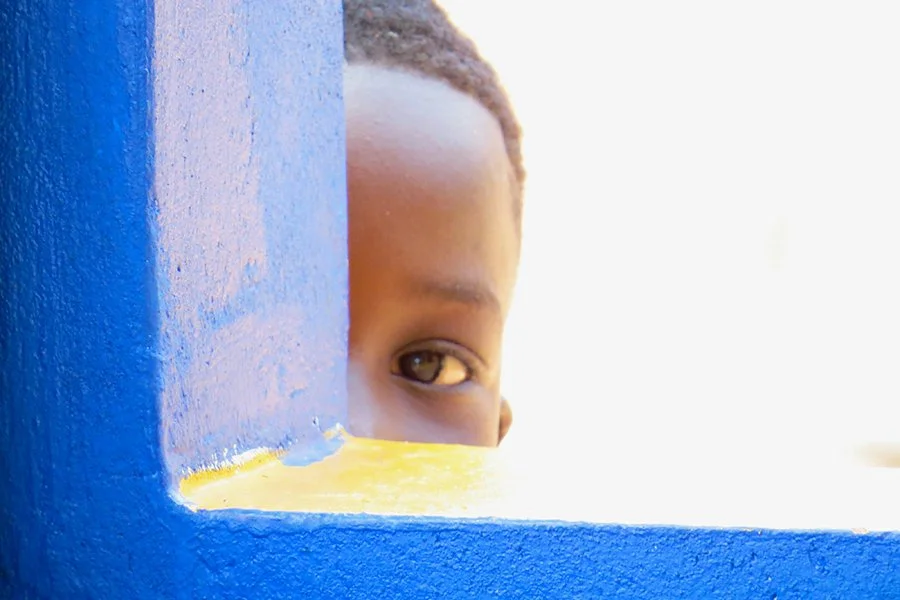
Photo by E. Diop
A Greater Good Magazine article by Iryna Liusik discusses how to recognize differences and provide individualized support to children whose silence or social withdrawal indicates that they are carrying a mental or emotional load.
The author writes from her own experience as an educator, citing the examples of two girls who joined her classroom at different times.
The first “arrived in my class in early winter, small for her age and careful in the way she entered the room, almost as if she had practiced taking up less space. At home she moved between two languages easily, switching between them the way other children switch between toys. In school, all that language seemed to vanish…. If an adult asked a question directly… a visible tension passed across her face….”
The author notes, “For many bilingual children, silence is not a lack of language – it is a safety response in a new environment, a nervous system choosing observation over expression until trust takes root.”
The process took months of close observation and controlled, quiet interactions until the child found confidence to operate comfortably, in her own quiet way, within the classroom situation.
A few years later, a second child was also quiet, but in a different way, not hiding from attention but playing alone “as if the world in her hands was safer than the world around her – rocking gently from side to side, turning objects over as if she were trying to understand their language. She watched the other children’s games with an expression that was part curiosity, part distance.” The teacher was able to establish that language was not the barrier in this case. It took some weeks, but finally the child was able to express that she actually wanted to play with the other children but didn’t know how to initiate integration into their games.
With the teacher’s support, the other children were able to find ways to make her feel welcome and included.
The author concludes, “Those two girls changed the way I understand quiet children. When a child’s voice disappears at school, I don’t start by looking for what is missing. I look for what the silence is doing for them – what it is protecting. Is it helping them stay afloat in a place that still feels new, or hiding a wish they can’t reach alone? That small shift keeps the focus on meaning, not performance, and it reminds us that silence can be a strategy, not a deficit.”