Rainy Day Activities
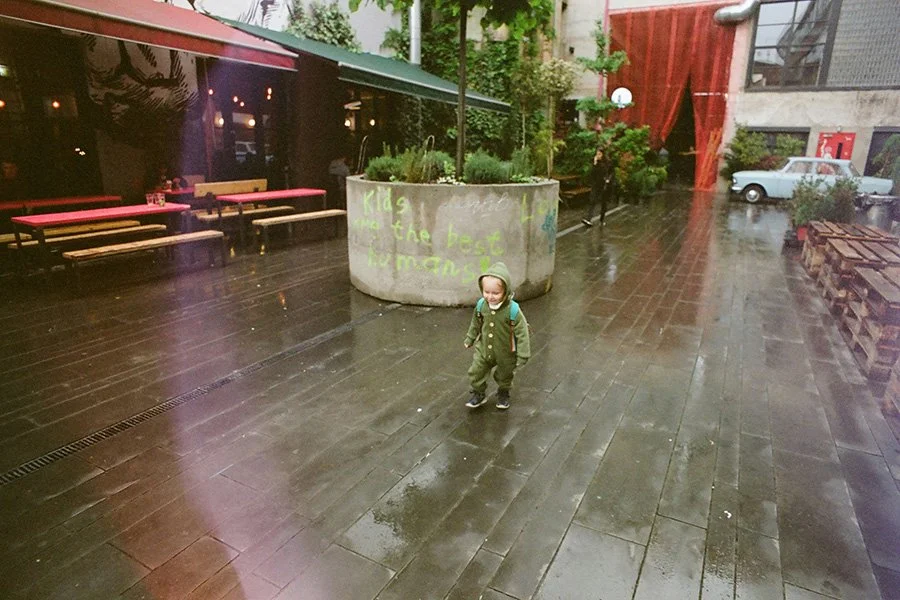
Photo by Zaur Giyasov
Particularly apt for those in BC experiencing our wet winter weather, edutopia.org offers suggestions for How to Make the Most of Rainy-Day Recess, with fun activities for damp outdoor weather.
Recalling the Scandinavian saying: “There is no such thing as bad weather, only unsuitable clothing,” the article begins with stressing the basic requirement of warm, waterproof clothing choices of boots, gloves, and waterproof outerwear with layers of warm clothes underneath. Suitably bundled up, children can exercise their bodies and imaginations with splashing through puddles, building mud villages, and stirring “soups” of muddy water, grass and leaves.
The article stresses that “rainy days don’t have to mean canceled recess, extra screen time, or restless classrooms”, citing a 2017 study that found young children who play outdoors sleep better at night. “Teachers also notice the difference when children come back inside: calmer bodies, more focus, and deeper engagement. Muddy play builds what mindfulness teaches about presence, patience, and peace. Educators often talk about ‘just-right challenges’, those manageable stressors that stretch children without overwhelming them. Rain delivers exactly that. Wet socks, chilly fingers, slippery puddles - they’re uncomfortable to some children with sensory sensitivities, but they aren’t unsafe.”
The author, Sarah Fritz, does note that rainy play takes preparation. Having extra rain gear available in the classroom, communicating boundaries for safe puddle zones with students, and creating a drying station with hooks and towels where children can clean up when they come back indoors, will make everything more manageable. She has the following suggestions for when wet children return to the class after playing outside in the rain:
Returning to the class, children practice the valuable life skills of hanging their wet clothes to drip-dry, changing into clean socks, and sorting their gear, responsibilities that teach independence, sequencing and patience.
Once the children are dry, energy is grounded by reflection (e.g. drawing rainy adventures, telling stories about puddle lakes, sharing what was tricky and what was fun) and through small rituals as they warm up together (reading under blanket forts, wrapping in cozy quilts, singing soft rain songs), creating a rhythm that moves from high-energy outdoor play to calm indoor focus, helping children develop the resilience skills of how to recover and reset.
One of the most difficult challenges comes not from the children, but in persuading parents that rainy-day outdoor play does not cause illness in children. The article stresses the value of using newsletters and other regular communication with families to reinforce the message that wet play is healthy and important. Colds and flus come from viruses, “not damp hair or muddy pants” and indoor crowding in hot rooms spreads germs quickly. The author suggests that using photos of puddle-stomping children with captions like, “This is teamwork”, and “This is resilience”, can help to develop positive parental attitudes that “laughter outweighs the [extra] laundry”!