Using Everyday Objects to Support STEM
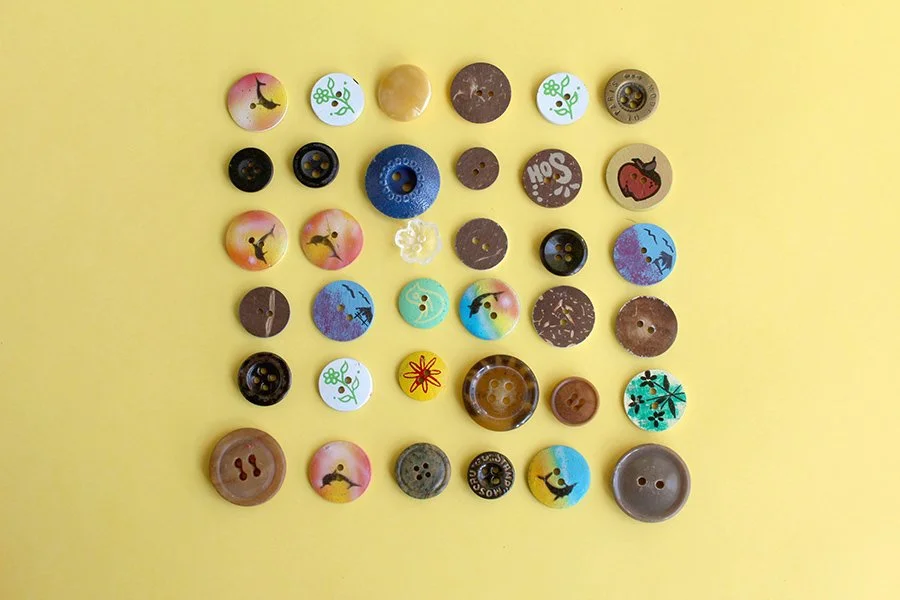
Photo by Maria Ionova
A February, 2026, article by Ozlem Cankaya and Natalia Rohatyn-Martin, Associate Professors at MacEwan University in Alberta, explores how children’s play with everyday objects can encourage skills needed for STEM success.
There is considerable public discussion and media coverage around the need to amplify STEM learning in children, and advertising can easily lead parents to believe that it is necessary to purchase items and paid programs to access this learning. Ongoing research by the team at MacEwan has examined how foundational elements of STEM learning (e.g. explaining how things are built, or working with and exploring mathematical ideas) can be accessed organically using everyday objects. The authors note, “Such learning emerges, for example, when children stack cardboard tubes, balance objects, test what fits where or redesign a structure that collapses moments after it is built.”
While readily available toys and play materials (e.g. LEGO, wooden blocks, or sand) allow opportunities for problem-solving, experimentation and sustained exploration, many STEM-marketed toys are functionally specific, single-use, and limit how much children need to figure out for themselves.
Children are inventive in using ‘spare parts” (cardboard, buttons, fabric scraps, tubes, containers, pieces of wood, etc.) to create structures and tools. With these items, “children must decide how to use them, what they might represent and how they can be combined. This versatility is important because it requires children to actively think, plan, test ideas, evaluate the results and revise their actions.”
The research team examined how children use everyday objects in their play when they are given time and space to explore independently, focusing on free play with materials drawn from the immediate environment that could be used in multiple ways (e.g. string, rocks, fabric, spools and cork coasters).
In comparing study groups of children given everyday objects to play with and toys designed for a single, specific use, the differences they found were striking. “Children played significantly longer with everyday objects. They also engaged in more STEM-related behaviours – frequently constructing structures, explaining how things were built or worked, exploring mathematical ideas and communicating their goals frequently – than when they played with limited-purpose toys.” The team also observed, “Children in the study were more likely to engage in STEM thinking during play with everyday materials if their parents valued play and regularly engaged in playful activities.” Parents of participating children were asked to complete a detailed survey about their home learning environment, and values around play activity.
The authors note that other research, exploring how children’s causal thinking is affected by toys, found that “even very young children collect data by observing, and were more likely to explore toys that offered ambiguous causal relationships than the ones that provided expected results,” concluding that “ambiguity creates motivation in children for thoughtful and targeted exploration.”
A key insight from the MacEwan study is that “children do not need explicit instruction to engage in meaningful STEM thinking and learning…. Providing children with time, space and access to everyday objects that can be used in many ways creates opportunities for rich experiences. Equally important is how adults respond to children’s play. Children’s time spent playing with adults such as grandparents, parents and teachers, can be a time to learn new skills, practice existing abilities and build interests…. Asking children to explain what they are building, inviting them to think about why something worked or did not work, or simply allowing them time to explore without interruption can deepen the STEM learning embedded in play.”
In conclusion, the authors recommend the importance of trusting children’s play and making room for it. “And recognize that long before children ever write code or build robots, they are already doing STEM, one cardboard tube, loose part and bold idea at a time.”