Getting Outside Can Boost Kids' Executive Function Skills
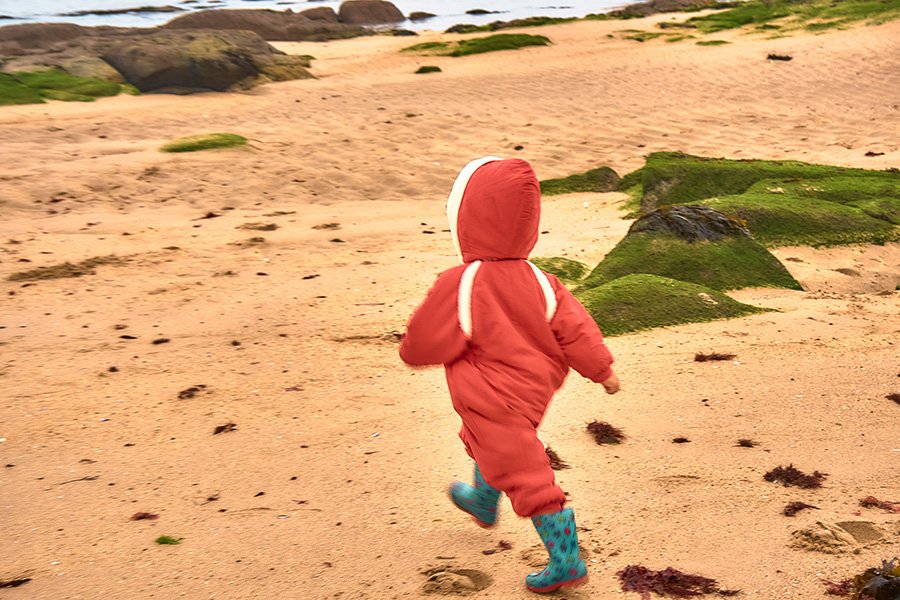
Photo by Kwami Fattah Al Sissi
A March 2026 edutopia article by Nicole Dravillas Fravel looks at how getting outside regularly can help children learn executive functioning skills such as problem-solving.
Executive functioning, the ‘soft skills’ that enable teamwork adaptability and fuller participation in community life, are often primarily seen as social and emotional skills. This article talks about how executive functioning skills such as utilizing working memory, self-regulation, and cognitive flexibility, also underpin academic skills. The author explains, “In order to grasp academic concepts, children need to manage both the excitement and frustration that come with learning something new. It’s important for them to be able to focus on a given task and block out unnecessary external stimuli so that their working memories can organize incoming information…. Strong executive functioning skills enable children to respond calmly to challenges and adversity. They are the tools of perseverance and flexible thinking.”
Fravel posits that “nature provides an ever-changing and unpredictable environment,” creating an ideal environment for the development of executive functioning skills. She references the Andy Goldsworthy site at https://andygoldsworthystudio.com/ for inspirational art ideas from nature, and suggests that preschool children can use natural adhesives such as “tree sap or fern stems to attach leaves to ephemeral designs on the forest floor,” or use their own rules to sort and categorize natural items they find in their explorations, potentially photographing these to compare from season to season, organically integrating problem-solving, use of working memory, and information organization into their self-led activities.
While doing research for his book Nature and the Mind, Marc Berman (University of Chicago) found that walking in nature improves memory and cognition, focusing the mind and gently allowing the brain to make subconscious connections. Flavel notes that these findings are supported by a 2024 public health review that recommends nature exposure as one of the beneficial treatments for children with ADHD, commenting that the greatest gains are when children have regular time spent in the outdoors. She references a study where children “were handed a box of items they had never seen before…. The children in nature preschools showed significantly more experimentation and information-seeking behaviours than children in indoor settings.” She also cites research showing that children in nature preschools demonstrated positive increases in self-regulation and transferability of the executive functioning skills they had learned to their home environment.
The author strongly recommends building in regular time in nature, for example doing scavenger hunts related to topics under study/discussion, creating art with found natural objects, nature journaling, or simply taking a 10-minute walk in nature before returning to the indoor environment, concluding, “As the research shows, outdoor time doesn’t need to be complicated to produce the gains in memory, cognition, and self-regulation that lead to better academic performance.”